Introduction
Beneath Venice’s reputation for beaches and retirement living lies a fascinating history waiting to be discovered. From its planned community origins to archaeological significance, explore the stories and sites that shaped this Gulf Coast gem.
Venice’s Unique Origins
- The planned community designed by John Nolen in 1925
- How the Brotherhood of Locomotive Engineers developed the city
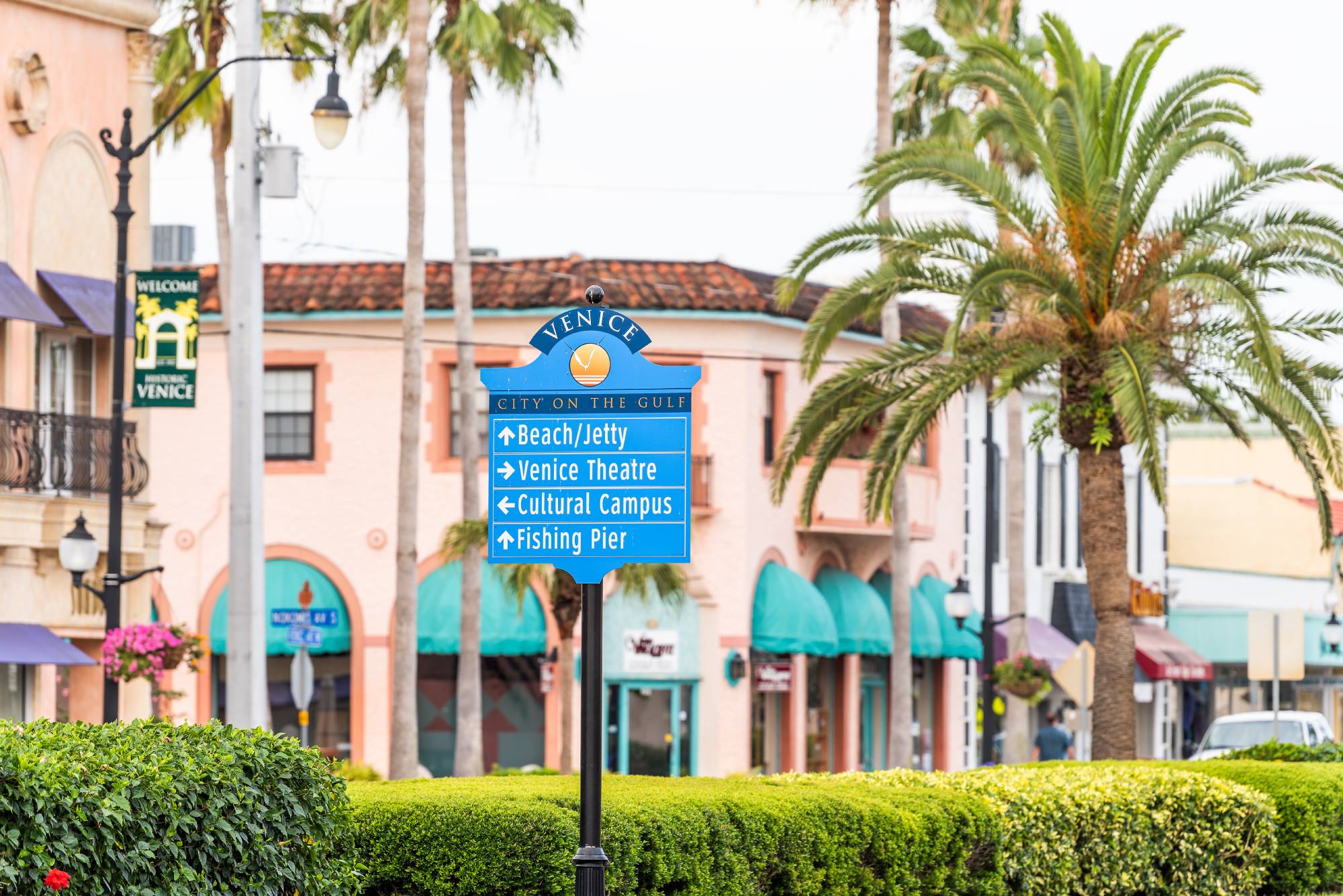
- The Mediterranean Revival architecture that defines downtown
Must-Visit Historic Sites
- Venice Train Depot – Restored 1927 structure showcasing railway history
- Venice Museum & Archives – Housed in the 1927 Triangle Inn building
- Lord-Higel House – One of the area’s oldest homes being restored
- Venice Theatre – Historic venue operating since 1950
- Epiphany Cathedral – Architectural landmark with stunning design
Archaeological Significance
- Why Venice is known as the “Shark Tooth Capital of the World“
- The prehistoric significance of Caspersen Beach
- How Ice Age megafauna remains continue to wash ashore
Historical Walking Tours
- Self-guided tours through historic downtown using the Venice Heritage app
- Venice Historical Society’s scheduled guided walks
- Architecture-focused routes highlighting Mediterranean influences
Preservation Efforts
- Current projects protecting Venice’s historical structures
- How tourism helps fund preservation initiatives
- Ways visitors can support historical conservation
Conclusion
Venice’s rich history adds depth to any visit, transforming beach days into opportunities to connect with Florida’s past. By exploring these historical sites, visitors gain appreciation for the careful planning and cultural influences that created today’s Venice paradise. Learn more about Venice’s history at YCA Venice.